About me
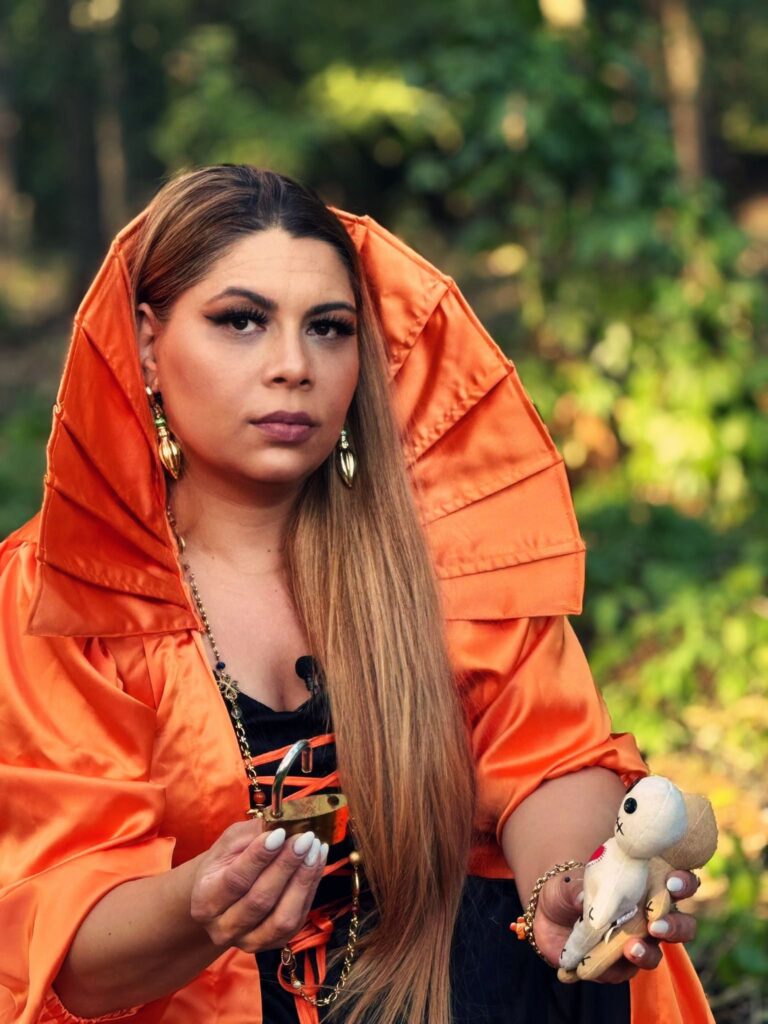
Good Witches in English Tradition: Druids and Wise Women
In English folk tradition, the figure that today is called a “witch” did not always carry a negative emotional meaning. Throughout history, there were people who possessed special gifts and were respected for their wisdom, healing abilities, magical words, and for maintaining the balance of their community. These figures — whether druids or wise women — were important pillars of spiritual and social life in English villages.
The Druid – the ancient Celtic spiritual leader
The druid is one of the oldest mystical figures associated with the British Isles, with roots in pre-Christian Celtic belief. Druids were seen as spiritual leaders, healers, and keepers of secret knowledge.
Their role in the community:
They healed illnesses with rituals, chants, and medicinal herbs.
They interpreted dreams and omens and foretold important events.
They mediated between the human world and the spirit world.
They performed ceremonies to ensure good harvests, natural balance, and the protection of the tribe.
Druids were believed to have a deep connection with nature, trees (especially oak), and sacred places like stone circles.
Wise Woman – the healer of the village
While the druid belonged to the ancient Celtic priesthood, the wise woman (sometimes called “cunning woman”) was a figure familiar in everyday English life.
Her role in the village:
She knew charms against illness, fear, or misfortune.
She used medicinal plants, ointments, and teas.
People visited her for guidance — especially when no doctor was available or trusted.
She participated in rituals that protected houses, livestock, and families.
Although church authorities sometimes looked at her with suspicion, local people relied on her deeply — she was simultaneously a healer, counselor, and spiritual guide.
Druid vs. Wise Woman – two sides of English tradition
| Characteristic | Druid (spiritual leader) | Wise Woman (folk healer) |
|---|---|---|
| Origin | Pre-Christian Celtic religion | Folk tradition, village life |
| Selection | Part of ancient priestly class | Anyone with healing knowledge |
| Practices | Rituals, prophecy, magic, nature rites | Charms, herbs, advice |
| Cultural image | Mythic, legendary figure | Real historic figure |
From persecution to cultural heritage
Between the 15th and 18th centuries, witch trials swept across England, as in much of Europe. Many women were accused of witchcraft. Ironically, the same women who were feared or condemned by authorities were often essential sources of comfort and healing for their communities.
Today, these traditions are viewed not with fear but as part of England’s rich cultural heritage. Druids appear in legends and literature, while the wise woman is recognized in folklore studies as a symbol of feminine knowledge and traditional healing.
✨ Conclusion
In English tradition, the “good witches” were not servants of evil, but guardians of ancient knowledge passed down through generations. Whether druids — who maintained the spiritual balance of the tribe — or wise women who comforted and healed villagers, both embody a deep connection between people, nature, and the sacred.